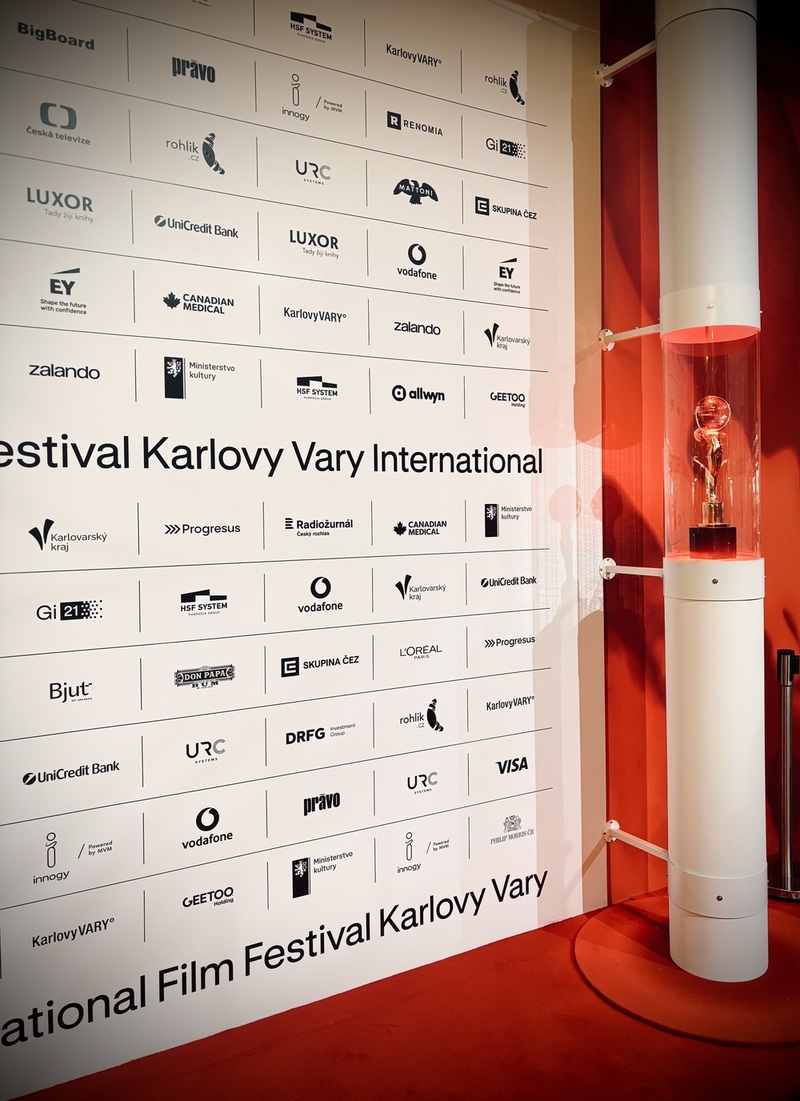
The double birthday of the Karlovy Vary Film Festival which just could celebrate its 80th edition together with 80 years running time seems curiously denotive of its ambiguous nature. On the one side there is the film selection with a good international variation, a refreshing openness to first time features and formally inventive works, as well as numbers of openly queer and female filmmakers that, while not at the desirable fair height, are still acceptable considering the lows still common among A-List festivals. And then there is the other side of a resolutely reactionist system that rewards and awards prominent personalities accused of sexual misconduct, clings to blatant classist structures and prides itself in its own elitism.
There was no escaping it at the opening ceremony were even press attendees, and among them also those who acquired special outfits in line with the announced black tie dress code were barred from entry for looking too - too poor? Too underclass? To welfare-recipient? While the bourgeoisie guests were fine to were dirty sneakers, T-shirts, and basically any everyday clothes, lower class people ostensibly didn’t have that liberty. This discrepancy was even more pronounced at the awards ceremony where some press representatives were forced to choose between spending hundreds of Euros on trying to oblige Karlovy Vary’s very own idea of black tie, or miss the festival’s most important event.
These classist structures seem to cater to a festival coverage increasingly dominated by AI slop, and advertising by (wannabe) influencers and content creators who’d rather present themselves tan the event they’re attending. The “youthful spirit” and potential to “change course” and “go for something different”, that artistic director Karel Och evoked ahead of the festival - not too forget the “humility” - is apparently the last thing wanted at the festival’s representative gatherings. In this regard it seems ironic to hear Och applaud filmmakers being “more inventive and more daring” and add “the world is getting more accessible”. Maybe the world, but not Karlovy Vary.
Despite its continued commitment to timely subjects and politically astute cinema, its 60/80 edition brought a disappointingly weak program. Its prominent themes reaffirmed the issues running like a common thread through all recent festivals: migration and displacement; war, past and present, in Ukraine, Lebanon, Gaza; the breakdown of the traditional family. A new emerging point is the social and personal effects of intoxicants, be it legal highs, controlled or restricted. Intimate settings and individual stories continued the cinematic trend towards subjectivity and self-exposition, a tendency reflected in reviews that read like diary entries. Hybrid forms and documentarist style mingling with fiction continue to spread.
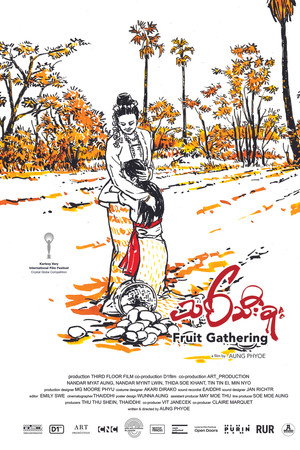
Still, some of the buzziest titles, like Kristina Grozeva and Petar Valchanov's Black Money for White Nights, Valeria Sarmiento's Behind the Rain, and Michele Fiascaris’ Rain Catcher, stayed behind expectations. The Main competition and Proxima competition, hallmark sections reserved for international premieres, had among them barely a handful of truly remarkable titles. Aung Phyoe's Crystal Globe winner Fruit Gathering, a dreamy portrait of social constraints and queer desire, wasn’t necessarily among them. It’s a pleasant film, well-crafted as most of the competitors, but nothing that disturbs, engages, or lingers.
Like Pepa Lubojacki’s personal portrait of sisterly love and substance dependence, If Pigeons Turned to Gold, Marie-Clémentine Dusabejambo‘s Ben’Imana about the intergenerational trauma and conflict of the Rwandan genocide, or Sandra Wollner’s shattering story of loss Everytime, all screening in the “best of other festivals” Horizons section. Or AnyMart by Yusuke Iwasaki from the Afterhours midnight movie section that also presented Kevin Bacon’s literal Family Movie. Most of the festival’s cinematic highlights came from other festivals, mainly Berlinale, Sundance, and Cannes—the latter being the festival that, in his personal opinion, would have the best films, as Karel Och said in an interview.
“Best” is, of course, a vastly applicable word. From an artistic and cinematic perspective, these films are still at Sundance and Locarno. But their focus and awards ceremonies, where not even the honorees wear fancy outfits, don’t have the kind of glamour that Karlovy Vary apparently strives for. Maybe a bit too much. The Crystal Globe for Outstanding Artistic Contribution to World Cinema went this year to Juliette Binoche and Robert Richardson—but also to Dustin Hoffman, who accepted it at the opening ceremony. Severe allegations are apparently easier to overlook than non-designer-brand clothes. It’s a clear, if ambivalent, statement for Karlovy Vary’s big jubilee.
The next 60/80 years seem to be dedicated to rising status in a neo-conservative world where influential men are presumed innocent of the gravest crimes while the poor are condemned for the smallest dress code breach. It’s a résumé for an international film festival priding itself on its openness and progressiveness: If you wear the wrong shoes, you won’t enter the room, but if you’ve been accused of sexual misconduct, you can still get on the stage—and receive an award.
The list of award winners is here.

 Bildnachweis: © MB