
Film with an Off-Taste: The 2nd International Gastronomy Film Festival

Von Lidanoir in Film with an Off-Taste: The 2nd International Gastronomy Film Festival
 Bildnachweis: © MB
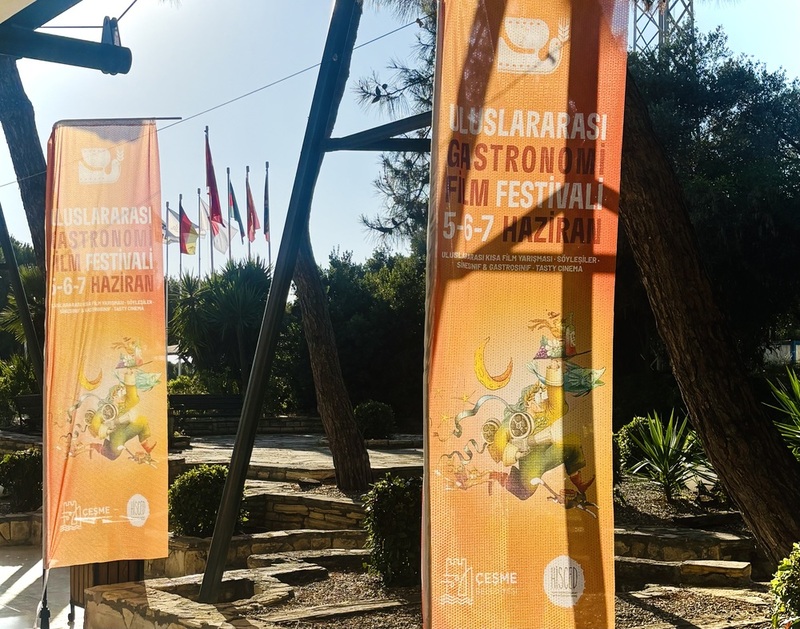
Even renowned film festivals struggle with dwindling funds, fear being gutted in times of political polarization, or give up the fight for the spotlight in an already overcrowded festival calendar. There’s hardly a letup, with all eyes on Tribeca, Sydney vying for attention, Sheffield DocFest about to kick off, and Shanghai reaching far beyond the Asian audience. Yet, newcomers are still hoping for a place on the screen. Some quite literally, like the International Gastronomy Film Festival, founded only the previous year by Gülper Ergün as the Urla Gastronomy Film Festival in the eponymous municipality of Izmir, Turkey. Projections at the 3-day event take place in a local luxury hotel’s conference rooms, haunted by the ghosts of slide shows and overhead projectors.
The strongest point in common between cinema and gastronomy is that they both try to understand people, Ergün said in an interview, when asked about the link between the two distinctly separate areas. It’s an approach more intellectual than the obvious observation that sales in popcorn and soft drinks rather than tickets finance most movie theaters. First and foremost, it’s an idealistic view given that cinema has been a powerful tool of mass influence, while food is a powerful marker of social status and, through it, political affiliation. If food being political sounds exaggerated, just look at the discussions about raw milk in the US or tradwives making everything from scratch.
But such uncomfortable themes are a far cry from the showcased short films. Even one of the works highlighted as a cinematic crescendo of the festival, Özgür Kizil’s Kolombiya, building its semi-fictional storyline around the challenges of Colombian coffee farmers, has the glossy generic look of an advertisement. Specifically, one for Lot Coffee Roasters, a relatively young Izmir-based premium coffee brand. Their stall for free, freshly brewed caffeine kicks is just outside the screening rooms and arguably draws more visitors. Instead of information about their ethical standards, they get iced lattes. If anyone still has questions about sustainability, they can just swirl in a sample of caramelly trileçe from the next stand—as sweet as the story about a kid living with the collective of coffee farmers.
Their shirts are as spotless as the sanitized story. Though its timely hybrid format seems more inclined to fiction, it runs in the documentary category of the bisectional program consisting of hour-long short film selections, followed by talks in Turkish. None of the talks and only a few of the shorts come with subtitles. Only the kind personal translation from a helpful individual provides some insight into the conversations about “Cinema, Food, and Mental Ecology,” “Gastronomy Diplomacy,” or “Changing Identities in the Kitchen.” Certainly, there is considerable potential here for cutting into controversial topics around food—political, environmental, cultural, historical, medical—but it still needs to be unlocked.
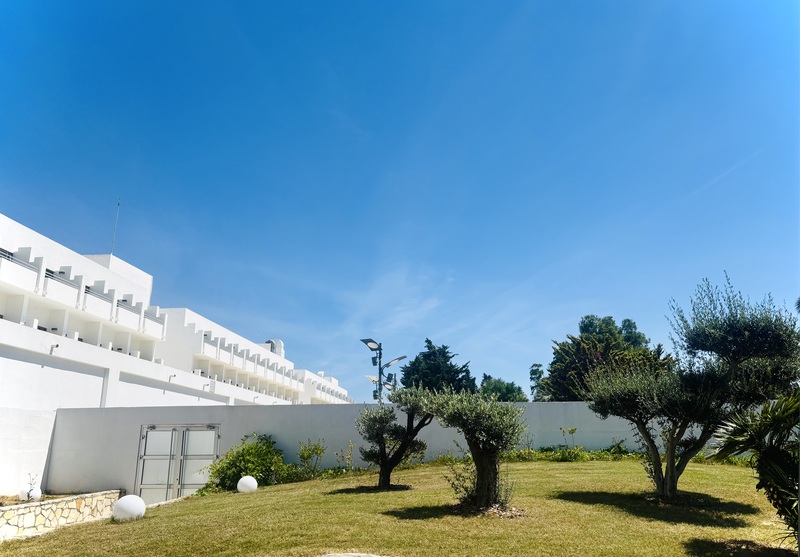
Apparently, the festival is still adjusting to the “International” replacing the local “Urla.” Its vivid street life is almost an hour away from the location at Çeşme’s coast in the secluded yard of a chic resort hotel: a haven for the affluent, the poshness of which recalls the many ways in which food is a symbol and signifier of social prestige or the lack thereof. Instead of the chaotic, communal, cinephile atmosphere among a colorful mix of artists and attendees, press and public, everything has the relaxed air of a private convention. Stalls offer generous free samples of mostly local food, some convenience products, but mostly treats from small family-owned businesses.
This emphasis on regionality and individuality is, of course, a lucrative image factor, but it also offers an opportunity for culinary storytelling blending heritage, tradition, craft, and commercialization. Other festivals have tried to explore the connection between food and film, like the Berlinale with its discontinued Culinary Cinema, which seems a direct inspiration for the IGFF’s Tasty Cinema, serving food items from a specific film as accompaniment to the screening. Building upon the success of its inaugural year, the International Gastronomy Film Festival blends interesting ideas—though film, competing for three awards for best documentary short film, best fiction short film, and best screenplay, comes only secondary to gastronomy. Nevertheless, the latter’s sensory dimension offers an immediate individual experience extending beyond the screen.
Tasting and sharing food allows the audience to engage with a narrative in a multi-sensory way that can’t be replicated via streaming. In an era where so-called “online accreditations” contradict the very idea of film festivals, such tangible participation presents a unique opportunity for the International Gastronomy Film Festival. Simultaneously, it seems particularly at risk of becoming a stage for influencers, content creators, and wannabe press who believe they belong in front of the camera. As the second edition demonstrates growing confidence, it will be up to next year to show if the food angle grows into a lens to examine questions of sustainability, labor, migration, gender images … and most of all consumerism—or only an extension of the latter.
Wird geladen...